FLOWER STORIESGuides
How to Keep Flowers Fresh Through the Rainy Season
Water care and placement tips for keeping flowers lovely in the damp months
Water care and placement tips for keeping flowers lovely in the damp months
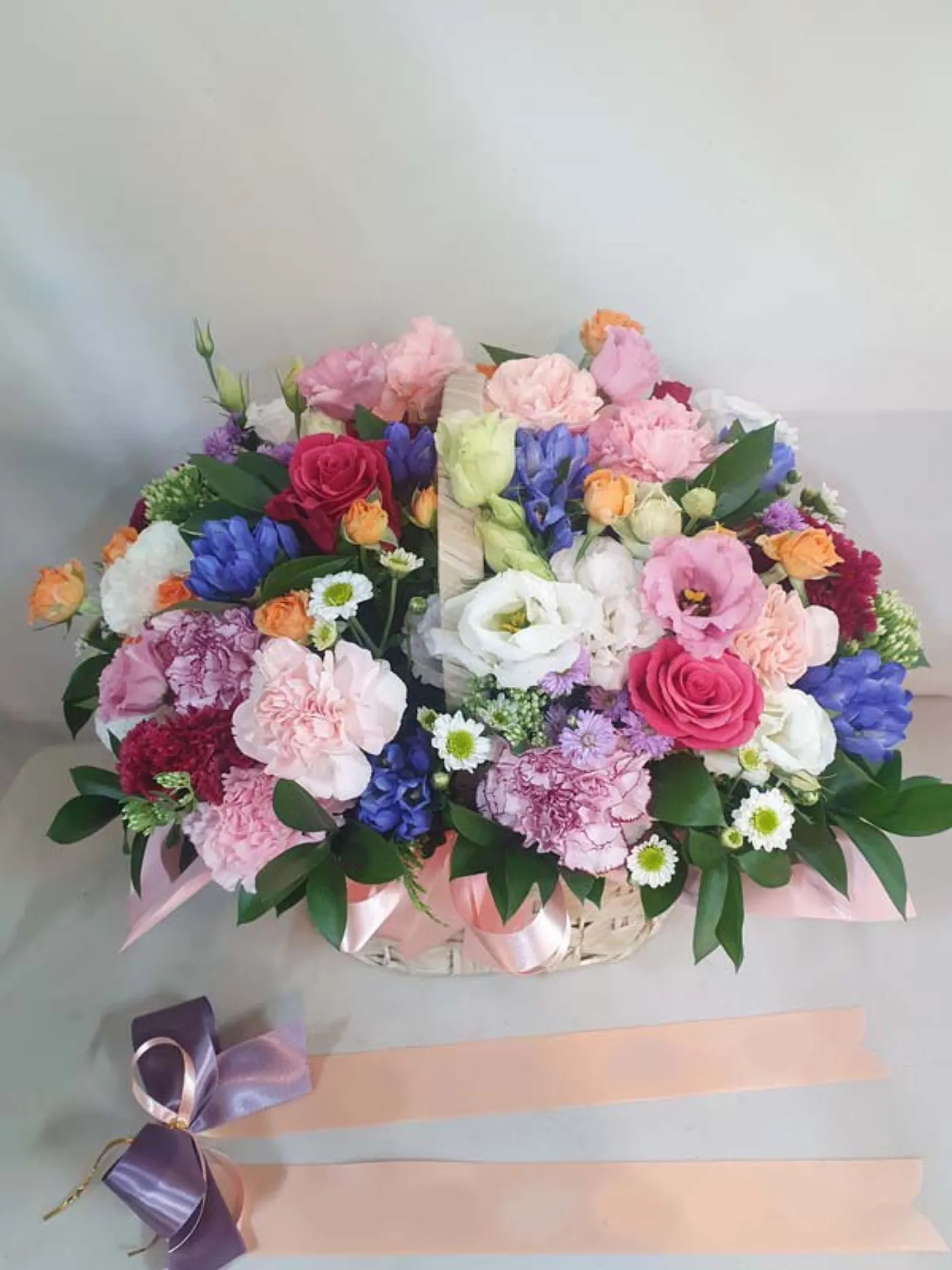
During the rainy season the air is very humid and temperatures often swing up and down. In these conditions, bacteria in the vase water multiply quickly and the water soon turns cloudy.
Cloudy water clogs the water channels at the base of the stems. Once they are blocked, the flowers cannot draw up water properly, so the petals droop and the edges begin to dry out.
Damp air affects the petals too. When moisture lingers on their surface, brown spots and mould appear more easily. Flowers with many layers of petals are especially vulnerable, as the inner layers struggle to dry out.
Thirsty flowers such as hydrangeas will hang their heads very quickly if the water runs low. When that happens, cut the stems afresh and fill the vase generously with water.
When you receive flowers, first remove the wrapping and elastic bands, trim the stems and put them in water. Moisture trapped inside the wrapping makes the petals soggy. If the flowers arrived in the rain, gently blot the moisture from the petals with a dry cloth.
Flowers kept in a room with no ventilation will show the same problems even sooner. So the heart of rainy-season care comes down to three things: clean water, fresh air and dry petals.
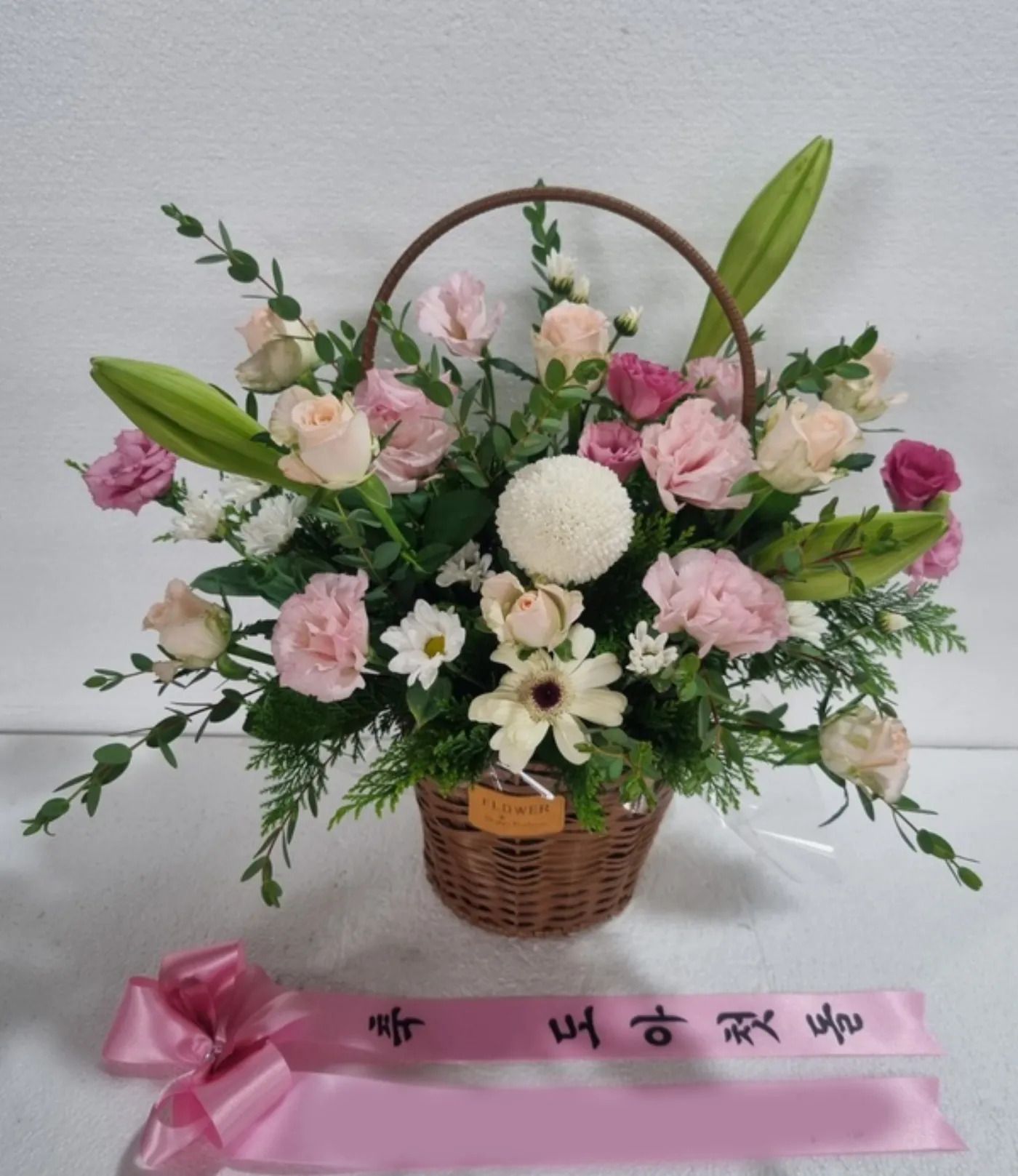
The first job is to wash the vase thoroughly. If the inside feels slimy, a bacterial film has formed, so scrub it with washing-up liquid, rinse it well and then add fresh water.
It is best to change the water before it turns cloudy. Each time, snip a little off the stem ends at an angle so that a fresh cut meets the water, and if a stem end is soft or sticky, cut off a generous length.
Use sharp scissors to trim the stems, and wipe your tools clean before you start. Blunt tools crush the stems and hinder water uptake, while dirty scissors carry bacteria from one stem to the next.
Remove every leaf that would sit below the waterline. Submerged leaves rot and spoil the water quickly. If your flowers came with a sachet of flower food, use it only in the proportions given.
| Item | How to care | Why |
|---|---|---|
| Vase | Wash the inside with washing-up liquid and rinse | Removes the bacterial film |
| Water | Change to fresh water before it turns cloudy | Prevents blocked stems |
| Stem ends | Cut at an angle each time you change the water | A fresh cut restores uptake |
| Leaves | Remove leaves that sit below the water | Stops the water going foul |
| Position | Keep in bright shade with good airflow | Eases heat and damp |
If it feels like too much, start with changing the water and tidying the leaves. Just those two habits noticeably slow how quickly the water spoils. It is also best to use fresh water that is not too cold, closer to room temperature.
Avoid windowsills in direct sunlight, as the temperature shoots up in the gaps between showers. A spot that is bright but out of direct sun is ideal.
If air from an air conditioner or fan blows straight onto the flowers, the petals dry out quickly. Turn the airflow so that it passes beside the flowers, and keep a dehumidifier a little way off.
If you have put several stems in one vase, leave a gap between the flowers wide enough for a finger. When they are packed tightly, air cannot circulate, so damp lingers and mould spreads more easily.
It is also best not to keep flowers near ripening fruit, because the gas the fruit gives off speeds up the ageing of flowers. Remove faded petals and leaves straight away so that mould does not spread.
Avoid misting the petals with water in the rainy season. Adding moisture to air that is already damp makes spots more likely.
If a wreath is left in the rain, the ribbons can get soaked and the ink may run, and the flowers can suffer too. If possible, stand it somewhere sheltered from the rain, such as under the eaves or at a building entrance.
The ribbons on a wreath are two strips hanging vertically at either side. Spreading them out so the wet ribbons do not stick together helps to keep the lettering from smudging.
Once the rain has stopped, wipe the surface of the wreath or pot with a dry cloth and let some air move around it for a while. If water pools inside the wrapping, the flowers and soil stay wet for a long time, so it is better to remove wet wrapping.
For potted plants, check with a finger that the surface of the soil has dried before watering. In the rainy season the soil stays wet for a long time and the roots can easily suffer, so empty any water that collects in the saucer. Plants that cope well with dryness, such as a ZZ plant, are best given even less water.
Arrive in Bloom (이름꽃) delivers flowers nationwide, quotes prices with delivery included, and sends you a photo of the actual flowers after delivery. Same-day delivery applies to orders placed before 5 p.m. and may vary by area and product.
It is more accurate to judge by the state of the water than by a set number of days. Change it before it becomes even slightly cloudy or starts to smell. Washing the vase and trimming the stem ends at an angle each time will help the flowers last longer.
It may be a sign that mould is starting to form in the damp. Remove the spotted petals straight away and move the flowers somewhere with good airflow. Avoid misting the petals with water.
If the air blows straight onto the flowers, the petals dry out quickly. It helps to point the airflow away from the flowers and to keep them somewhere bright, out of direct sunlight.
We deliver flowers nationwide and send a photo of the actual flowers after delivery. We handwrite ribbon and card messages for free.
Published July 4, 2026 · Updated October 5, 2026 · by Arrive in Bloom · Flower Editor

