FLOWER STORIESFlower Stories
Hydrangea: One Bloom That Looks Like a Whole Bouquet
The abundance of early summer, where tiny flowers gather into a single head
The abundance of early summer, where tiny flowers gather into a single head

Standing before a hydrangea, the counting gets confusing. Is that one bloom, or a whole bouquet? Step closer and the answer comes. The rounded mass we took for a single bloom is, in fact, dozens of tiny flowers gathered shoulder to shoulder. A flower in which small things come together to become one large whole. On that fact alone, the hydrangea is worth a long, slow look.
This piece sets down, on the basis of fact, the hydrangea's true nature, the reason its color changes, and how to care for its water when you keep it close as a cut flower. The first flower that comes to mind on the threshold of early summer — we mean to look at it plainly, without embellishment.
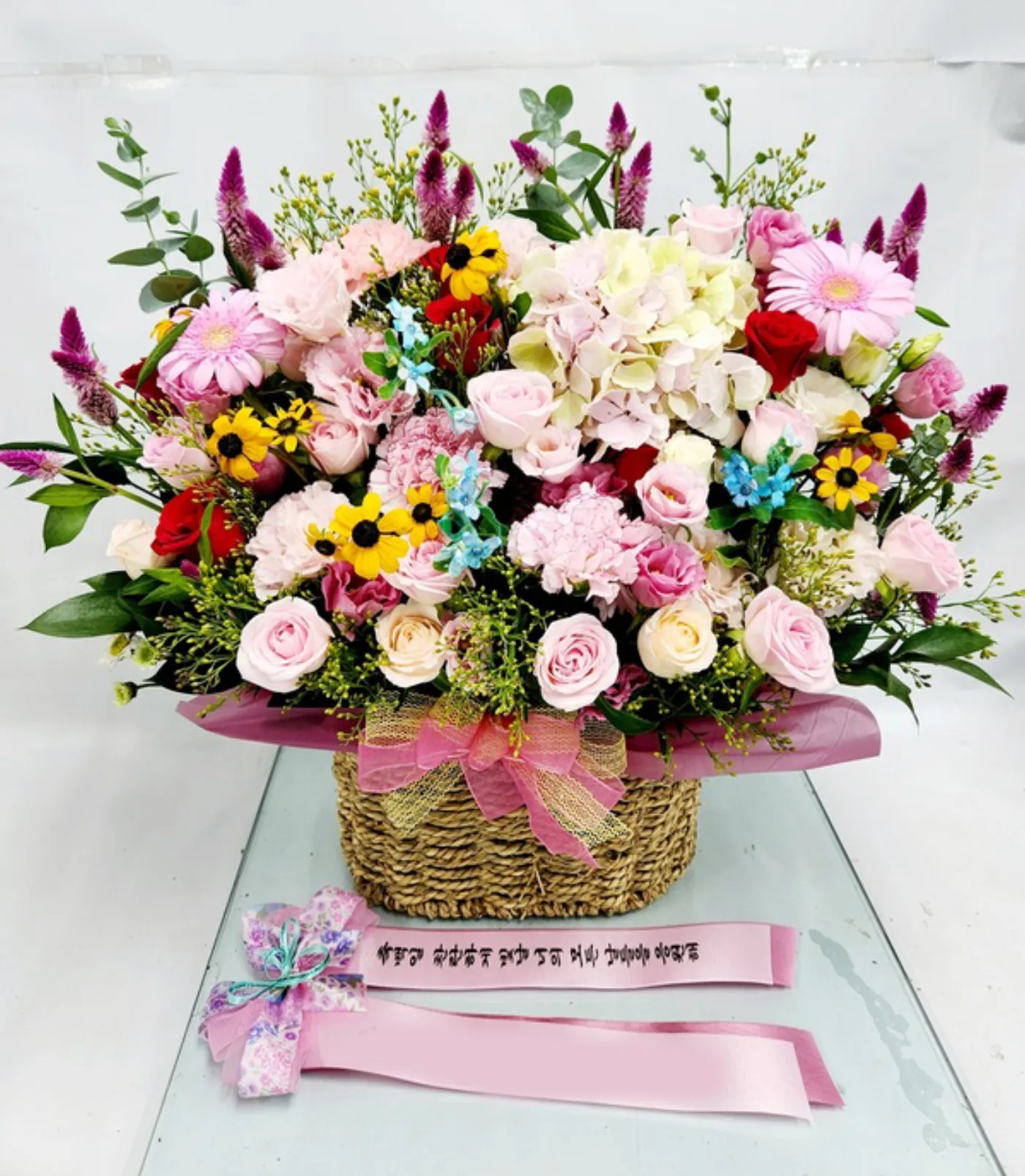
The hydrangea's fullness is not an illusion but a structure. The showy part we take for petals is really a sepal transformed into a decorative flower, while the true flower hides, small, inside it. These tiny units gather by the dozens to the hundreds into a round shape, forming a single mass the size of a palm.
So when you set one hydrangea stem in a vase, the space fills at once. There is no need to add several other flowers. A single bloom already holds the volume of a whole bouquet. The small things that went unnoticed on their own become, only once gathered, a sight no one can pass by. Few flowers show so honestly the beauty that gathering creates.
The hydrangea has one quality other flowers lack: even within the same variety, the color of the flower changes with the soil it is planted in. Acidic soil tends to turn it blue; alkaline soil, pink.
The principle lies in the aluminum in the soil. In acidic soil, aluminum is readily absorbed by the roots and binds with the pigment inside the flower, drawing out blue; in alkaline soil, the aluminum is bound up and absorption falls, leaning toward pink. The white hydrangea carries little of this pigment, so it is barely affected by the soil. That a flower grown from the same root gives off a different light depending on where it sets its feet makes you look at it that much more deeply.
The hydrangea's meaning has several layers. There are the warm words of sincerity and abundance, and alongside them the meaning of fickleness is also passed down. The name surely arises from the flower's habit of changing color.
Yet fickleness is not to be read as a flaw alone. That the color changes when the soil changes is not because the heart is light, but because the flower responds honestly to where it stands. The tiny flowers gathered in a round, speaking with one voice, are closer to sincerity than not. Abundance and sincerity, and change. These several meanings held in one flower make the hydrangea more than mere decoration.
A small thing alone cannot become a sight; only gathered does it become one bloom.
The hydrangea, as its Korean name says, loves water dearly — the character for water (水) is written into its name — and from early summer to early autumn, through its peak, it drinks moisture without end. A garden hydrangea that lets its leaves droop at midday and revives the moment it is watered shows the same.
It is no different when you keep it close as a cut flower. To make a hydrangea last, the key is to keep its stem amply in water. Cut the stem end at an angle and set it deep in water to help it draw the water up. Change the vase water often, and if the head begins to droop, briefly submerging the whole head in water can bring it back to life. It is a flower that loves water, so tend to it with water.
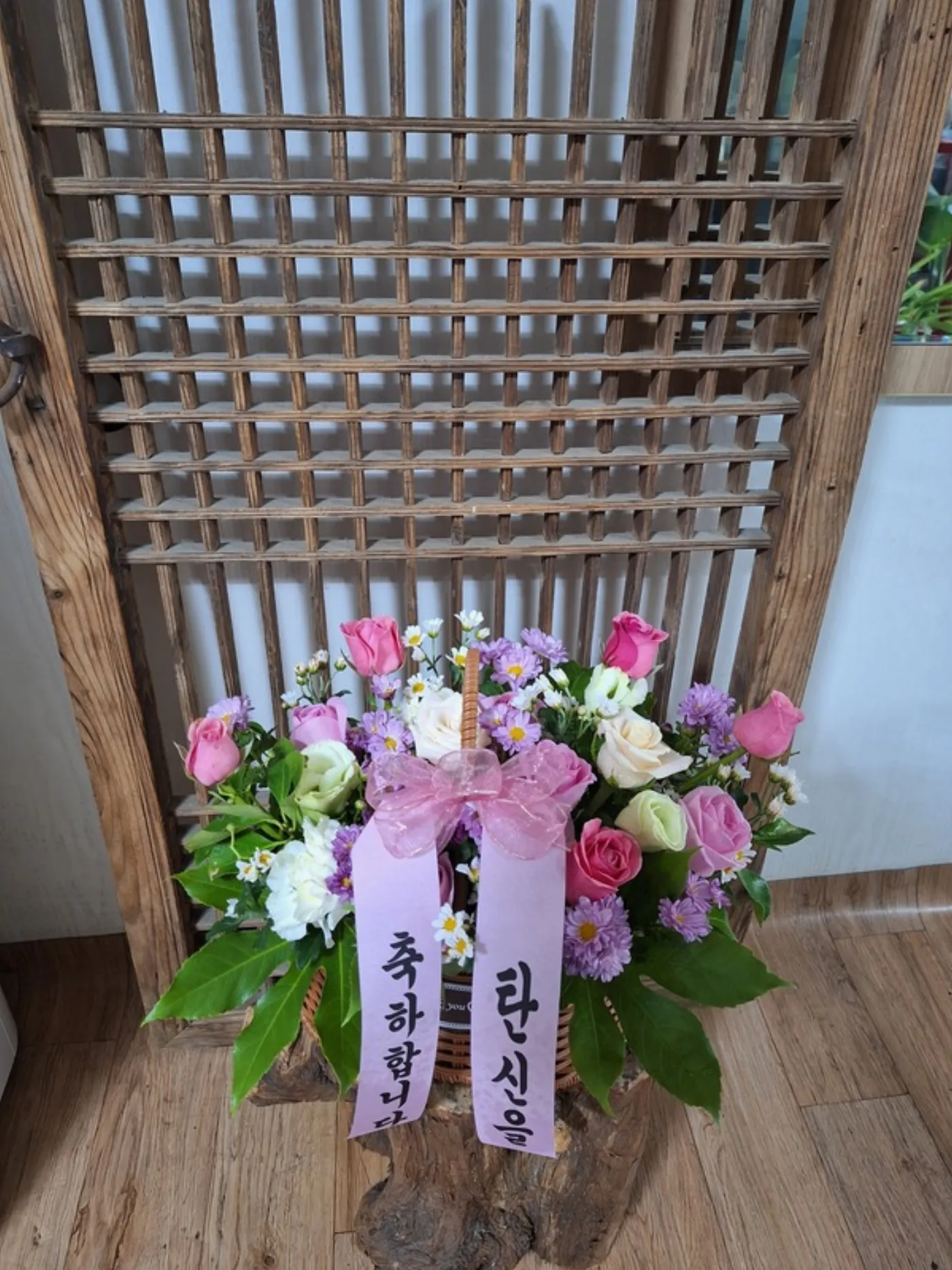
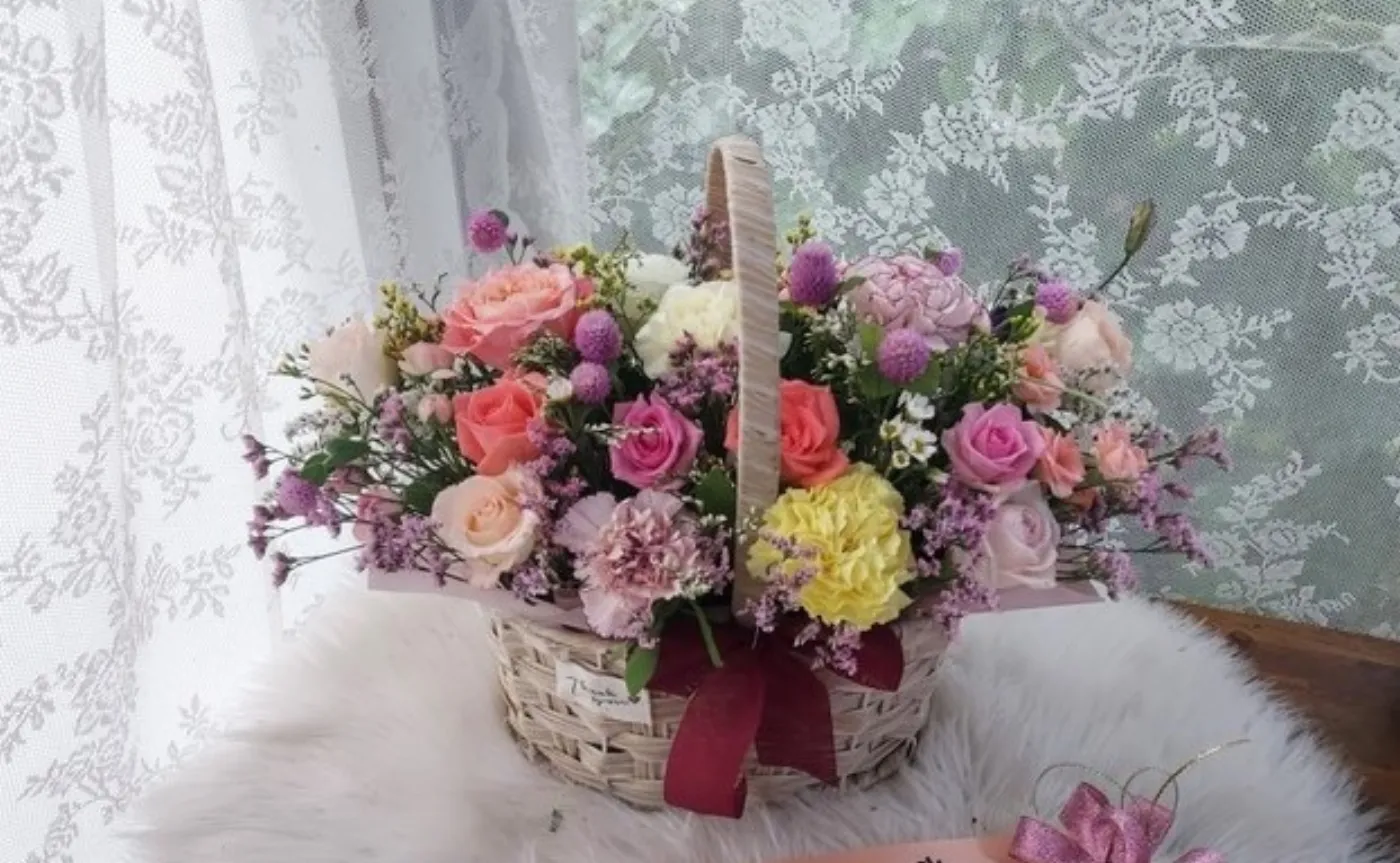
Arrive in Bloom delivers seasonal flowers, the hydrangea among them, nationwide. We take orders 24/7, and an order placed before each region's cutoff arrives the same day. We share the photos of what was actually delivered — unretouched, unstaged — in our gallery exactly as they are, so you can see in advance what your recipient will see.
One bloom that carries the fullness of a whole bouquet. Small hearts gathering into one great sincerity — we invite you to keep that sight close, at flowername.co.kr or by calling 1666-6584. On the threshold of early summer, the hydrangea tells us, most roundly of all, an old truth: that some things are beautiful only when gathered.
Its color tends to vary with the soil's acidity (pH). In acidic soil, aluminum is readily absorbed by the roots and the flowers lean blue; in alkaline soil, that absorption is reduced and they lean pink. White hydrangeas carry little of this pigment, so they are barely affected by the soil at all.
It is. What we read as one bloom — that rounded mass — is in fact dozens to hundreds of tiny flowers gathered together. So a single stem in a vase fills the space at once, giving generous volume without adding several other flowers.
Hydrangeas love water, so moisture is the key. Cut the stem ends at an angle and set them deep in water to help them draw it up, and change the vase water often. If the heads begin to droop, briefly submerging the whole head in water can help them revive.
Along with the warm meanings of sincerity and abundance, it also carries the meaning of fickleness. This comes from its habit of changing color — the flower's honest response to wherever it stands is held within these several layers of meaning.
Arrive in Bloom delivers the hydrangea — one bloom that carries the fullness of a whole bouquet — nationwide. We take orders 24/7, and orders placed before each region's cutoff arrive the same day. We share our real, unretouched delivery photos exactly as they are, so you can see in advance what your recipient will see. Order at flowername.co.kr or call us at 1666-6584.
Published May 27, 2026 · by Arrive in Bloom · Flower Editor