FLOWER STORIESFlower Stories
Lisianthus Flower Meaning: How It Differs from a Rose
The flower of constant love: what lisianthus means and how it differs from the rose
The flower of constant love: what lisianthus means and how it differs from the rose
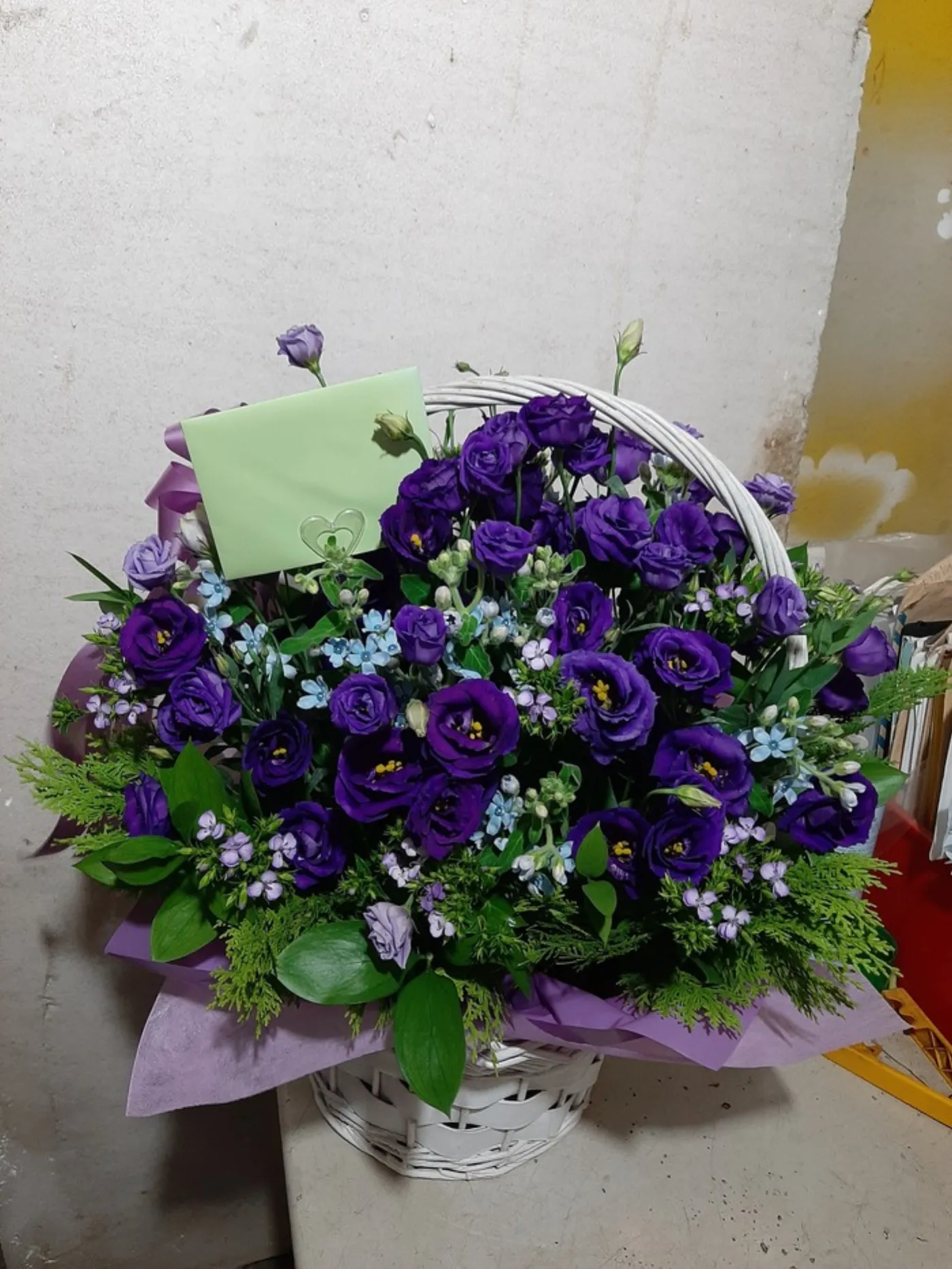
The meaning of lisianthus is constant love. Elegance is often given as a meaning too, and both seem to come from the neat, calm impression the flower gives. Flower meanings are described a little differently from country to country and source to source, so please take this as a widely used interpretation rather than the one true answer.
Lisianthus belongs to the gentian family. Its buds start out loosely rolled and then open slowly. A single stem carries fully open blooms and closed buds side by side, so there is a quiet pleasure in watching it change over time. That fits well with the idea of a love that deepens gradually.
The colours range widely: white, pink, purple, pale green and more. There is no official meaning set for each colour, but white brings to mind purity and clarity, pink a gentle fondness, and purple a calm dignity. Many people therefore choose a colour to match what they want to say with the gift.
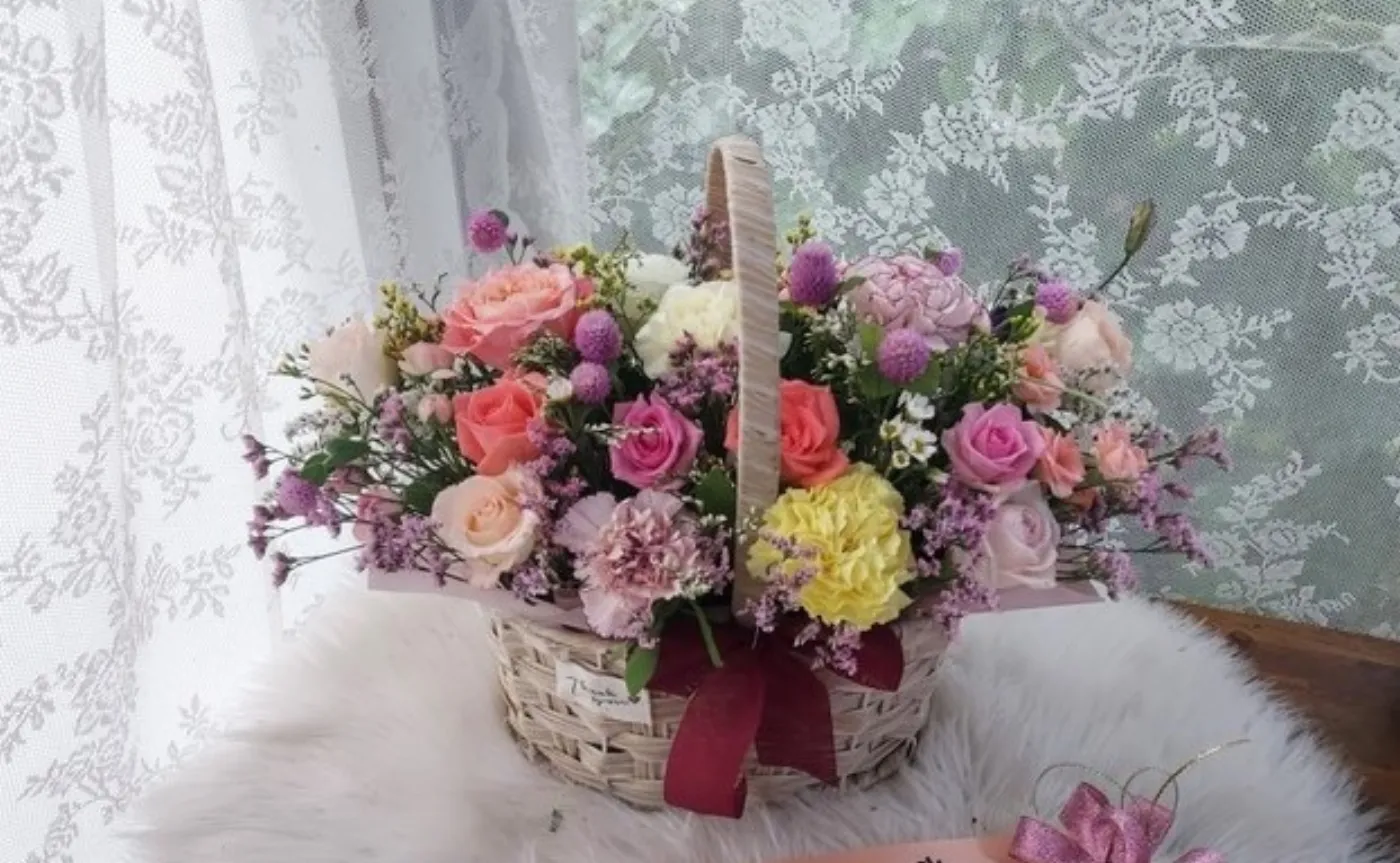
At first glance it is so like a rose that it is easily mistaken for one, because its petals layer on top of one another to form a round cup. Look closer, though, and the petals are paper-thin and slightly ruffled, giving a lighter, more translucent feel than a rose.
The stems differ too. Roses have thorns, and many varieties carry one bloom per stem. Lisianthus has no thorns, and its stems branch so that several blooms and buds appear at once. Even a small number of stems therefore makes a full, naturally flowing arrangement. The differences between the two flowers are set out in the table below.
| Feature | Lisianthus | Rose |
|---|---|---|
| Petals | Thin, ruffled petals layered together | Thick, firm petals |
| Stem | No thorns, several blooms per stem | Thorns, varies by variety |
| Mood | Light and soft impression | Vivid, with great presence |
| Meaning | Constant love, elegance | Passion, respect, purity and more, depending on colour |
If the rose is a flower that speaks its feelings plainly, lisianthus is one that leaves a lingering impression. Tied together, lisianthus softly supports the presence of the roses and brings the whole bunch into balance.
For a wedding bouquet, both meaning and shape matter. The meaning of constant love suits an occasion where a lifelong promise is made, and the round, soft shape of the blooms goes well with the texture of a wedding dress.
There are practical reasons as well. With no thorns, there is little risk of pricked fingers, and the slender stems make the handle of the bouquet easier to finish neatly. Since one stem produces several blooms, a few stems can fill out the bouquet, which is another advantage.
Many of its colours are subtle, such as white, pale pink and pale lilac, so it blends in with other flowers without standing out. Tucked between large blooms such as peonies or roses, it fills the gaps naturally, and tied on its own it makes a neat, tidy bouquet. Fresh flowers do vary in colour and availability with the season and where they are grown, so we suggest allowing some extra time before the date you need them.
It suits people who stay by your side for a long time rather than showing off. It can carry the meaning of constant love when you give it to a partner who says little but cares steadily, an old friend, or your parents to thank them.
It also suits occasions that honour time spent together, such as anniversaries and wedding anniversaries. For a bold declaration or a celebration that calls for cheers, a vivid flower such as a rose alongside it will lift the mood. If the person receiving it has a neat, calm taste, lisianthus on its own is enough to carry your feelings.
Arrive in Bloom (이름꽃) delivers flowers nationwide, and flower baskets and bouquets can be ordered from around 45,000 won, delivery included. Same-day delivery applies to orders placed before 5 pm and may vary by region and product. We write ribbon and card messages by hand, free of charge, and send you a photo of the real arrangement after delivery.
The meaning of lisianthus is constant love, and it is also described as meaning elegance. The wording can differ a little from source to source.
Lisianthus has thin, ruffled petals and no thorns on its stems. It also carries several blooms and buds on one stem, which is different from a rose.
It suits a thank-you gift for a partner or parents who have stayed by your side for a long time, and a bouquet for a wedding anniversary. It is also often used in wedding bouquets.
We deliver flowers nationwide and send you a photo of the real arrangement after delivery. Ribbon and card messages are handwritten free of charge.
Published July 11, 2026 · Updated October 7, 2026 · by Arrive in Bloom · Flower Editor