FLOWER STORIESFlower Stories
Why You Needn't Take Flower Meanings Too Seriously
Flower meanings are cultural conventions, so they differ from source to source. When giving flowers, treating them as a gentle guide is quite enough.
Flower meanings are cultural conventions, so they differ from source to source. When giving flowers, treating them as a gentle guide is quite enough.
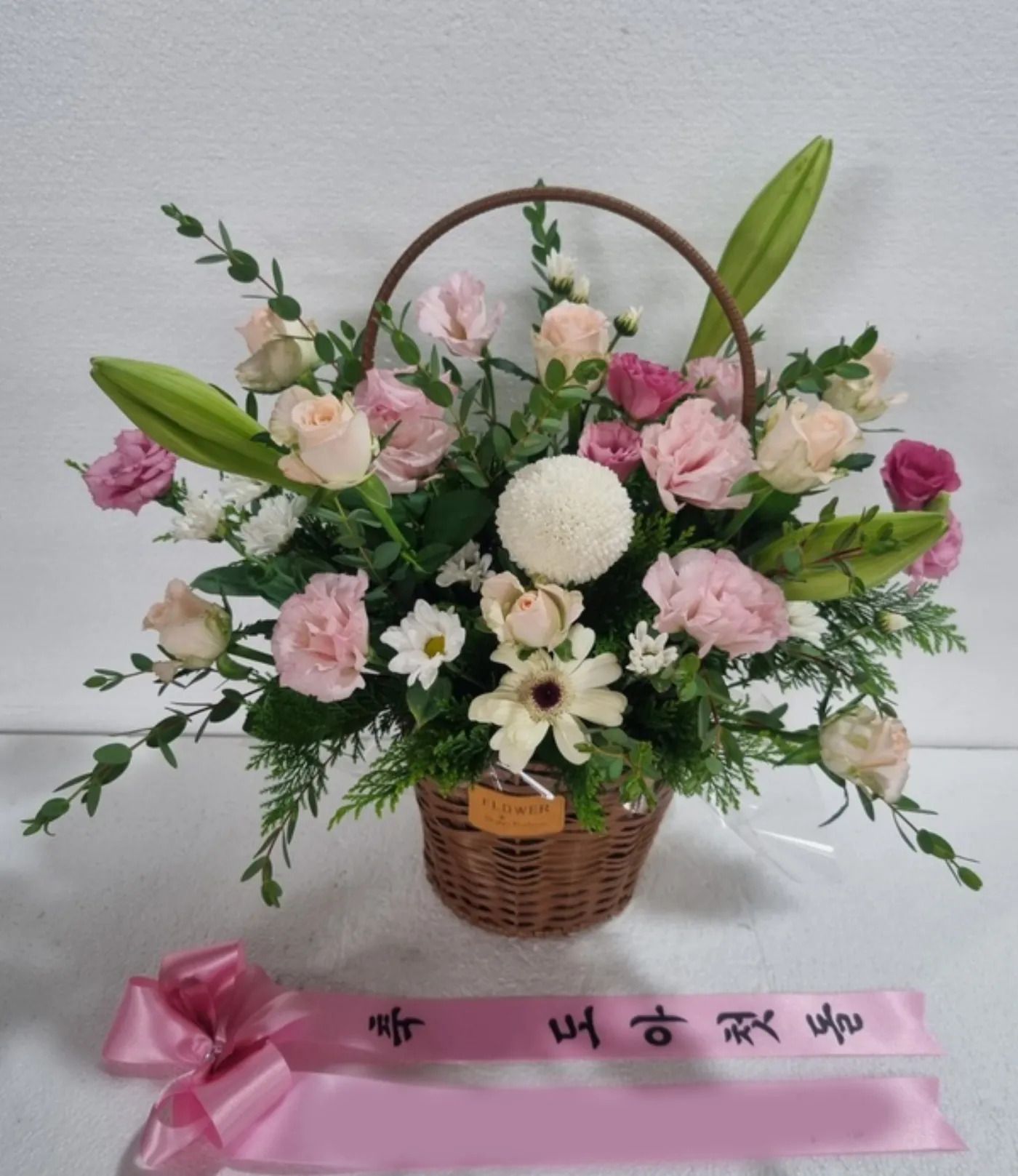
A flower's meaning is a symbolic sense that people have attached to it. It isn't a quality of the plant itself; it's much closer to a convention made by culture. In 19th-century Europe, books collecting flower meanings were widely read, and the custom of sending feelings through flowers spread. Many of the meanings we know today can be traced back to that movement.
The trouble is that those books never followed a single standard. Depending on the author, the country and the period, the same flower was often given different meanings. That is why, if you search for a flower's meaning, each website says something slightly different.
The meanings used in Korea have often come through several sources and been translated and polished along the way. Quite a few can no longer be traced back to their original source. This is the first reason flower meanings are hard to treat as an official dictionary.
Flower meanings have never been fixed like a law or a rule. Anyone can add a new meaning and spread it, so over time explanations get added to or changed.

It can. In old Western interpretations, the yellow rose was said to mean jealousy, yet these days it is more often given to express friendship or a bright, cheerful spirit. As times change, the meaning of the same flower changes too.
It differs from country to country as well. In Korea, the chrysanthemum is widely used at funerals and so is thought of as a quiet, sombre flower, while in other countries it can be a seasonal decoration that stands for autumn. The flower is the same, but where it is placed and the customs around it change what it means.
| Flower | Commonly cited meaning | Worth knowing |
|---|---|---|
| Yellow rose | Friendship, jealousy | Older and modern interpretations differ |
| Chrysanthemum | Nobility, truth | Used as a funeral flower in many countries |
| Carnation | Love, gratitude | Many sources give different meanings for each colour |
The meanings in the table are not answers so much as a collection of interpretations you often come across. Even for the same flower, the impression the recipient gets can vary with the colour and the occasion.
Another thing to watch is that meanings are sometimes listed by colour or variety rather than for the flower as a whole. Even when the name is the same, the meaning changes depending on which colour is meant, so a one-line description is hard to rely on.
It's easier to think of a flower's meaning as something to chat about rather than the right answer. The person receiving your flowers may well not know the meaning, and even if they do, they will usually read the giver's feelings first. It is rare for someone's heart to be misunderstood because of a single flower meaning.
Even so, a few things are worth checking.
If a flower makes you hesitate because of its meaning, a short message on a card says what you feel far more surely. A line you have written yourself can stay in the memory longer than anything the flower says.
If the recipient looks up the meaning and finds conflicting answers, there is no need to be flustered. Once you know that sources differ, you stop worrying too much about flower meanings.
For condolence or congratulatory occasions, convention and timing matter more than the meaning. A funeral hall needs flowers to arrive within the set hours, and for a shop opening or an event they must be placed to suit the day itself. Even a flower with a lovely meaning will not convey your feelings properly if it arrives late.
Do look carefully at the ribbons on a wreath too. Of the two ribbons hanging vertically down either side of the wreath, the one on the right as you face it carries the occasion phrase, such as 謹弔 (condolences) or 祝 開業 (congratulations on the opening), and the one on the left carries the sender. A wrong phrase or a misspelt name is far more noticeable than any flower meaning.
The same goes for celebrations. For an opening plant or a congratulatory wreath, having the sender's name clearly visible counts for more than the meaning of the flowers. The recipient's eye goes first to who sent it.
Arrive in Bloom (이름꽃) delivers flowers nationwide, and same-day delivery applies to orders placed before 5 p.m. (this may vary by region and product). Prices are quoted with delivery included, we send you a photo of the actual arrangement after delivery, and we hand-write the ribbon and card messages free of charge.
There is no official body or standard that decides flower meanings. They are interpretations built up over many years across various books and cultures, so they differ a little from source to source.
Not necessarily. Flower meanings change with the era and the country, and the recipient often doesn't know them. If it still worries you, add a line you have written yourself on the card.
Of the two ribbons hanging vertically down either side of the wreath, the occasion phrase such as 謹弔 (condolences) goes on the right as you face it. The sender's name goes on the left.
We hand-write your ribbon and card messages free of charge. After delivery, we also send you a photo of the actual flowers.
Published August 1, 2026 · Updated October 5, 2026 · by Arrive in Bloom · Flower Editor