FLOWER STORIESFlower Stories
How a Flower's Color Reaches the Heart — Color Psychology and Choosing Flowers
From red to blue, on the tendencies a color carries and the sincerity that lies beyond them
From red to blue, on the tendencies a color carries and the sincerity that lies beyond them
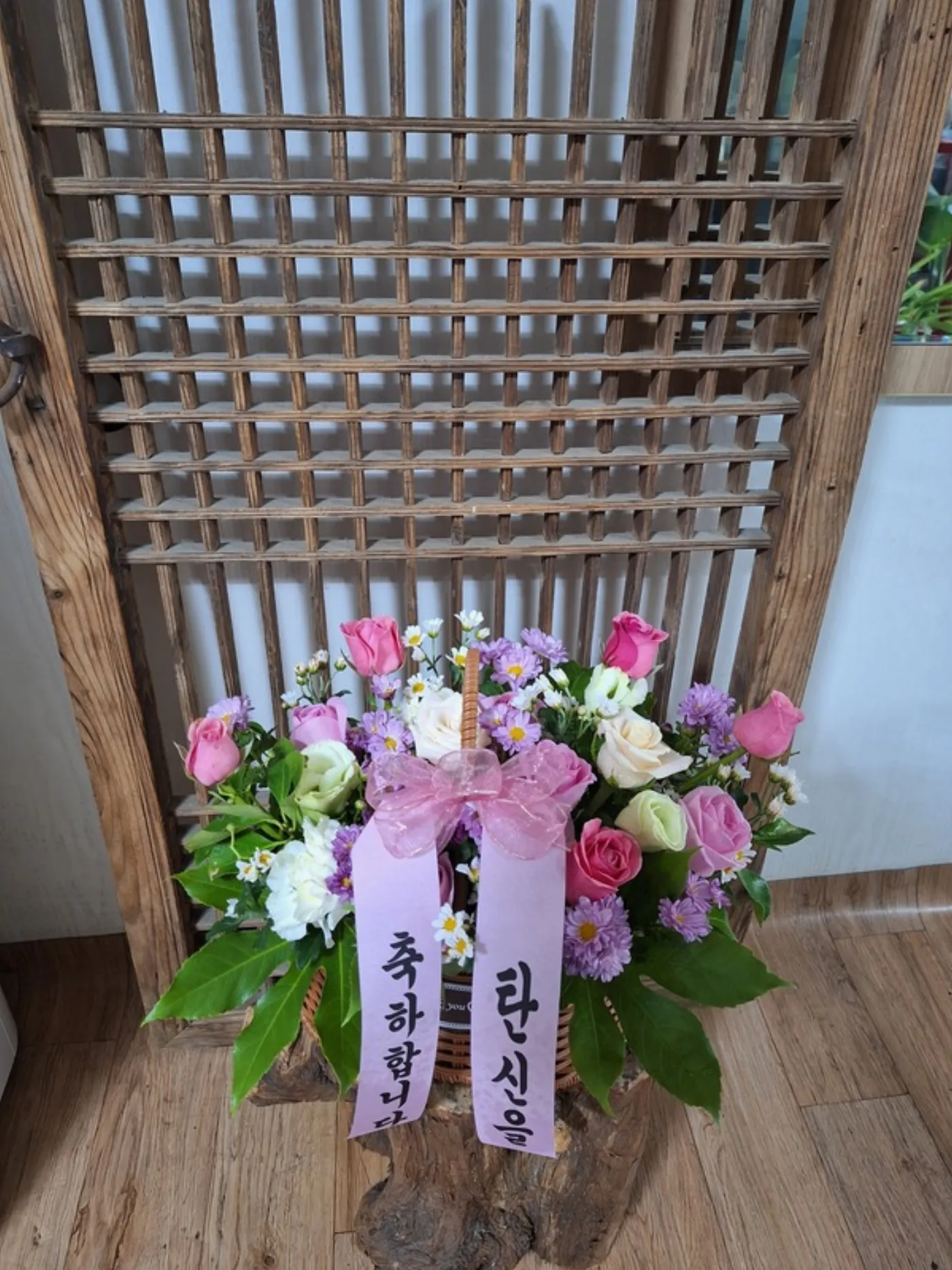
Choosing flowers often begins with choosing a color. Even among roses, a red one and a white one say different things, and the same feeling takes on a different grain depending on the color it is wrapped in. Color reaches the eye before form, and the heart before words.
One thing is worth saying first, though. The way color affects emotion is not an absolute law of nature but a tendency that culture and experience have built up over a long time. For the same color, people and countries call to mind different feelings. So please read what follows not as a rule, but as one gentle reference for reading another person's heart.
Red is the color that holds the gaze most strongly. It calls to mind the beating heart, warm blood, and burning fire, and so it is often read as the color of passion and love. The rose is, without question, red's emblem, and the red rose has long been said to mean "ardent love."
For this reason, red suits the moments where you want to make your feelings unmistakable — a confession between lovers, an anniversary. Yet because of that very intensity, it can feel a little heavy for plain gratitude or for quiet comfort. It helps to first sense whether the feeling you want to convey is close to "heat."
Pink is red with a layer of its heat softened away. Gentle and warm, it suits tenderness, gratitude, and celebration alike. The peony, in its full pink, is said to hold "bashfulness" and "abundance," while the pink tulip carries "the beginning of love" and "consideration."
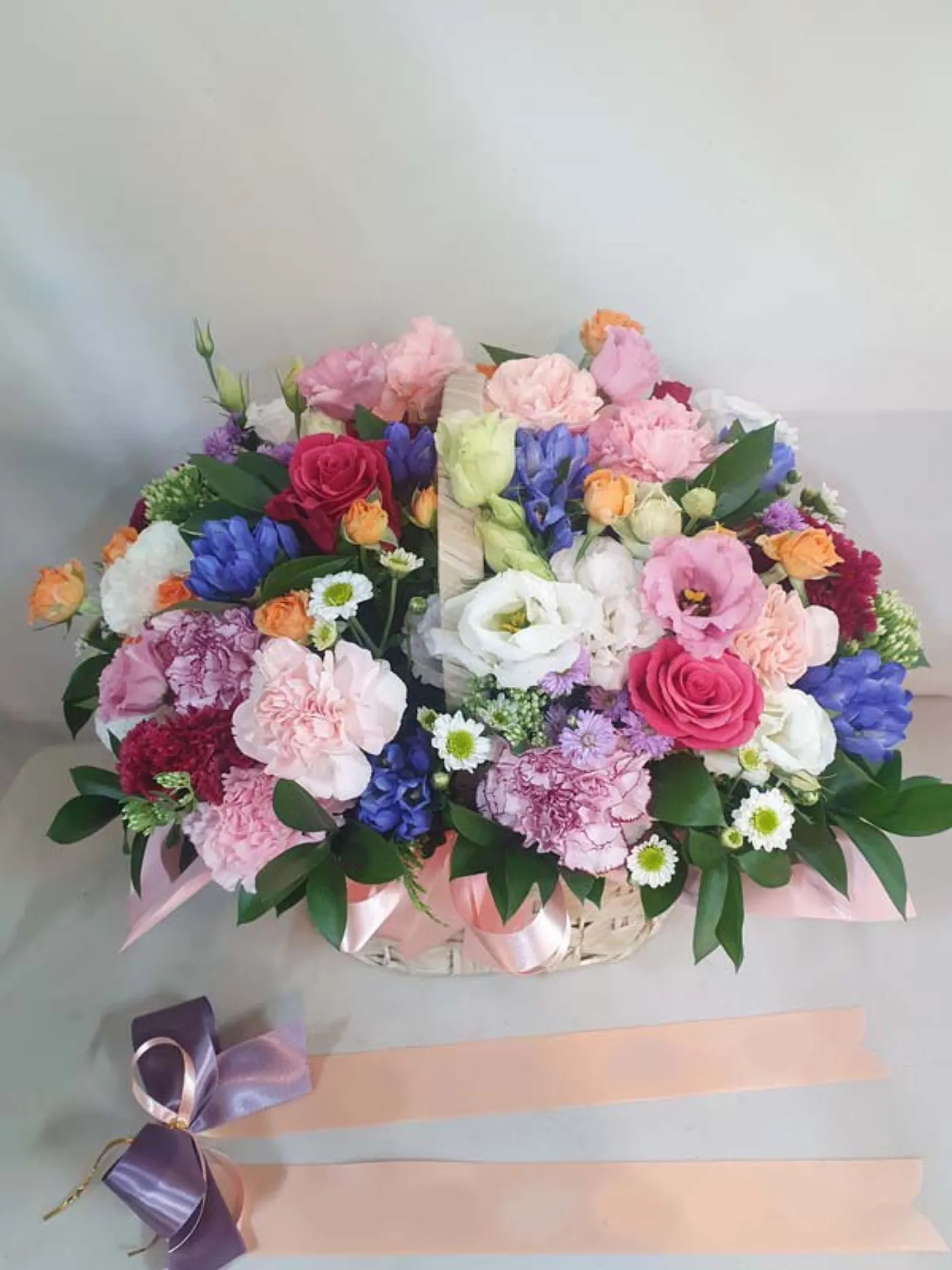
Gratitude offered to parents, good news from an old friend, occasions where warmth passes between hearts such as Parents' Day or Teachers' Day — pink rarely misses here. Without being strong, yet still clear, it may well be the easiest color to handle.
Yellow is the color that resembles sunlight and spring. Bright and buoyant, it is good for conveying friendship, encouragement, and cheer. The freesia, with its flower meaning "I cheer for your beginning," is often placed at graduations, school entrances, and fresh starts, while the sunflower conveys vitality along with the constancy of "I look only at you."
To someone facing an exam, a colleague starting something new, a friend you want to lift up, yellow becomes a bright word. That said, some cultures read yellow as lightness or as caution, so it helps to choose while keeping in mind your relationship with the person receiving it.
White is the color of purity and respect. Clear and composed, it suits weddings and blessings, and at the same time it has long been used at moments of mourning and condolence, holding a restrained sorrow. That the same white touches both joy and grief shows well that color is, in the end, context.
A color does not carry a fixed meaning; it finds its meaning only within the heart that offers it and the place that receives it.
Purple, drawn since ancient times from a precious dye, calls to mind nobility and dignity, and suits formal celebration or deep respect. Blue and its tones are uncommon among flowers and so feel all the more special, conveying an impression of calm and trust. They fit the moment where you wish to settle the heart quietly, or to express your faith in someone.

When choosing a color, it is better to think first of the person receiving it and of the occasion, rather than the color you yourself like. For a lover, red or pink; for parents, a tender pink; to cheer a colleague, yellow; for someone unwell, a calm white or soft pastel with little fragrance is a safe choice. For condolences, calm colors centered on white and yellow have long been used.
At the end of all these paths lies one thing. Whatever color you choose, what reaches another first is not the color but the heart that chose it. As the poet Kim Chun-su wrote that a flower became a flower only when its name was called, a color too becomes someone's own light only when it is chosen with that person in mind. If there is a person on your mind, Arrive in Bloom will bring flowers in a color that resembles them, reaching their side within the day.
For gratitude, a soft, warm pink is widely considered fitting. Tender colors such as peony, carnation, and pink tulip are a safe choice, and if you want to add a brighter note of encouragement, mixing in yellow works well too. This is only a general tendency, though, so if the recipient has a color they have always loved, it is perfectly fine to put that first.
For a hospital visit, a calm white or soft pastel with little fragrance is a safe choice. Heavily scented flowers can be a burden in a small room, so they are best avoided. There is no absolute standard for good or bad colors, but choosing a restful color over a very intense one gives the impression of quietly cheering the recipient's recovery. Some hospitals also restrict bringing in fresh flowers, so it is wise to check in advance.
For condolences, calm colors centered on white and yellow have long been used. White is said to hold restrained sorrow and respect, and yellow a warm remembrance of the departed. Showy, intense colors may not suit the occasion, so they are best refrained from.
When you want to make your feelings unmistakable, red — the symbol of passion and love — is the most direct. The red rose is the classic choice, and for a more tender, bashful feeling, pink is good too. What matters more than the meaning of a color is sincerity, so if there is a color that holds meaning for the two of you, that is the best choice of all.
If someone has come to mind, simply choose flowers in a color that resembles them. The recipient's address and a one-line note are all you need. Ordering is available 24/7, and if you order before your region's cutoff time, the flowers reach their hands within the day. You can confirm the flowers we delivered through real, unretouched delivery photos. For any questions, please call us at 1666-6584. Arrive in Bloom — flowername.co.kr
Published June 19, 2026 · by Arrive in Bloom · Flower Editor

