FLOWER STORIESFlower Stories
How Flower Scents Become Memories
Scent and memory: how smell brings a scene back
Scent and memory: how smell brings a scene back
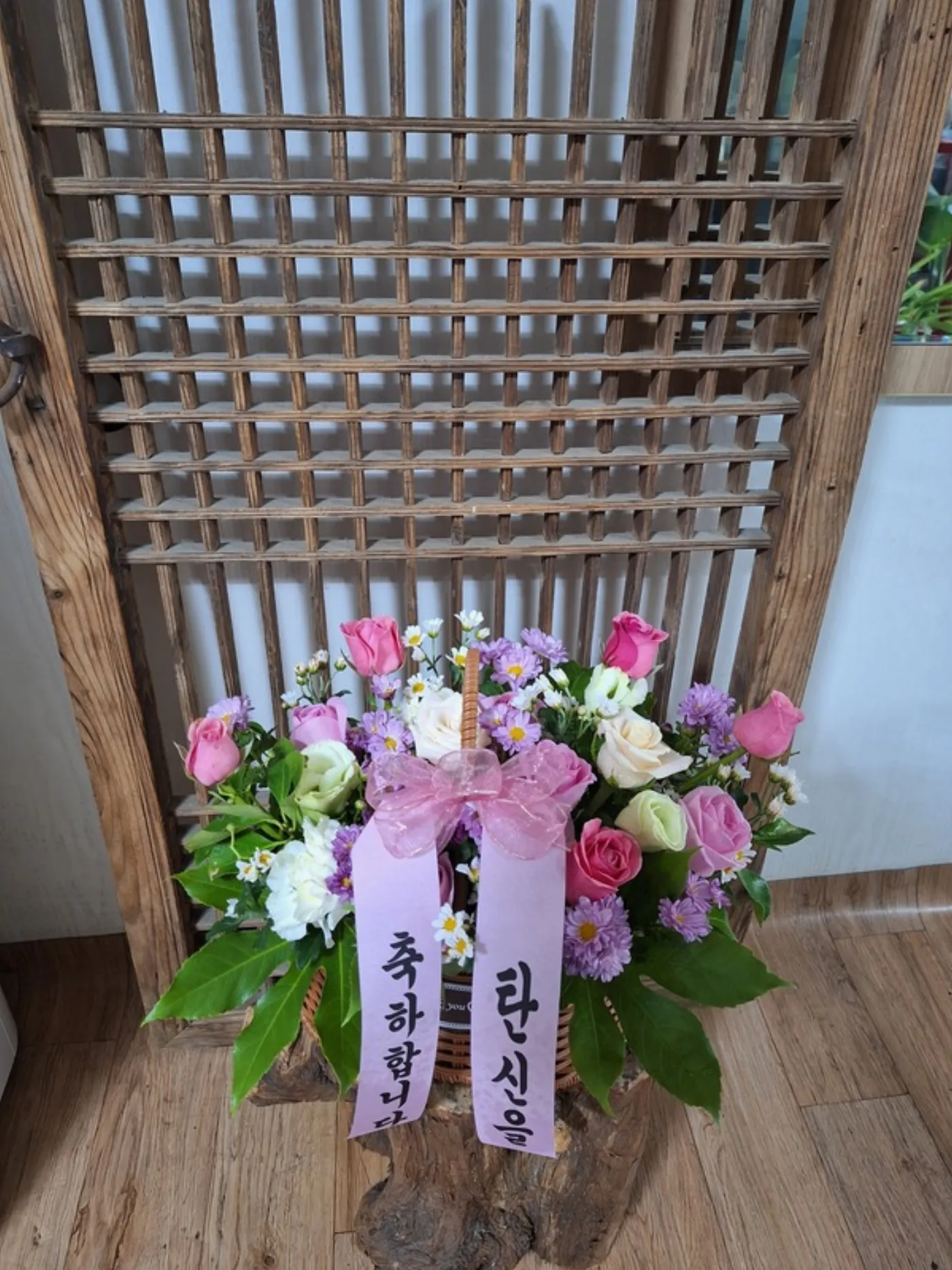
You have probably caught a particular scent and found a scene from long ago suddenly coming back to you. It is a common experience, and psychology has studied it for a long time under the heading of smell-evoked memory. Lilac met as the seasons turn, or the roses in someone's garden: the scent of flowers is a memory cue we bump into all the time in everyday life.
The reason lies in the route smell takes to the brain. Information from the eyes and ears mostly passes through the thalamus, the brain's relay station, on its way to the cerebrum. Information from the nose, however, travels from the olfactory bulb to the amygdala, which handles emotion, and the hippocampus, which handles memory, by a comparatively short path. Because this route sits close to some of the brain's older regions, smell is sometimes interpreted as a sense that took hold early in evolution.
This is why scents tend to be stored together with feelings rather than facts. We may be hazy about when and where it was, yet the mood of the moment comes back first, and that is the usual explanation. That said, we cannot claim that scent memories are always more accurate than other memories; it is closer to say that they feel far more vivid.

A flower's scent is made up of tiny volatile molecules drifting through the air. When olfactory receptors in the lining of the nose catch these molecules, an electrical signal is produced. Each flower has a different combination of molecules, which is why roses, lilies and freesias all smell different from one another.
The signal passes through several regions in turn. All of this happens in the blink of an eye, and what we perceive is not molecules but a single, finished scent. The table below sets out the flow step by step.
| Step | What happens | Part involved |
|---|---|---|
| 1 | Scent molecules are received | Olfactory receptors inside the nose |
| 2 | Signals are gathered and passed on | Olfactory bulb |
| 3 | Emotion is linked to the scent | Amygdala |
| 4 | The scene and place are stored as a memory | Hippocampus |
It is known that the more often you meet the same scent in a similar emotional state, the stronger the link becomes. On the other hand, the scent of a moment that carried great emotion can stay with you even if you met it only once.
A memory is not simply stored once and finished. When you meet the same scent again, the stored scene is called up, and each time it is rewritten a little. That is why a memory of an old scent may differ slightly from what really happened.
Even when the scent itself is the same, the situation in which a person first met it is not. For one person the scent of roses may recall a celebration, for another a farewell. Even the same rose can differ in the strength and character of its scent depending on variety, the time of year it blooms and how it has been kept.
There are also individual differences in the types and sensitivity of olfactory receptors, so some people find the same scent stronger and others fainter. The culture and surroundings we grew up in also shape which scents feel familiar. It is also known that our ability to smell can change as we age.
So there is no single standard for a good scent. It is why, when sending flowers to someone, it is better to think first about the recipient's tastes and the occasion than simply to pick a strongly scented flower. To gauge their tastes, you might look at the following.
Strongly scented flowers can feel overwhelming in sensitive settings such as a hospital room or a funeral hall. For these occasions, flowers with a gentle scent, or almost none, are the safer choice. Many people feel that a rich fragrance suits a celebration, while a soft one suits a moment of comfort.
If scent has such power to leave memories, then the words that come with the flowers may last just as long. Even a short line in handwriting will be remembered along with the flowers when the recipient thinks of them later. With a gift that is kept and looked at for a long time, such as a bouquet, the colour and shape may be remembered before the scent.
Arrive in Bloom (이름꽃) delivers flowers nationwide, takes orders at prices that include delivery, and sends you a photo of the actual flowers after delivery. We write the ribbon and card message by hand at no charge, and flower baskets and bouquets are available from around 45,000 won.
Smell information travels by a comparatively short path from the olfactory bulb to the amygdala, which handles emotion, and the hippocampus, which handles memory. That is why the feeling and mood of the moment often come back before the details of the scene.
It is hard to say that they are more accurate. They are tied closely to emotion, though, so they tend to feel especially vivid.
Strongly scented flowers can feel overwhelming in sensitive settings, so flowers with a gentle scent, or almost none, are the safer choice. It also helps to consider whether the recipient is sensitive to fragrance.
We deliver flowers nationwide and send you a photo of the actual flowers after delivery. We write the ribbon and card message by hand at no charge.
Published June 23, 2026 · Updated October 6, 2026 · by Arrive in Bloom · Flower Editor

