FLOWER STORIESGuides
Short Messages for a Housewarming Plant Card
How to choose a one- or two-line card message that fits your relationship and the plant
How to choose a one- or two-line card message that fits your relationship and the plant
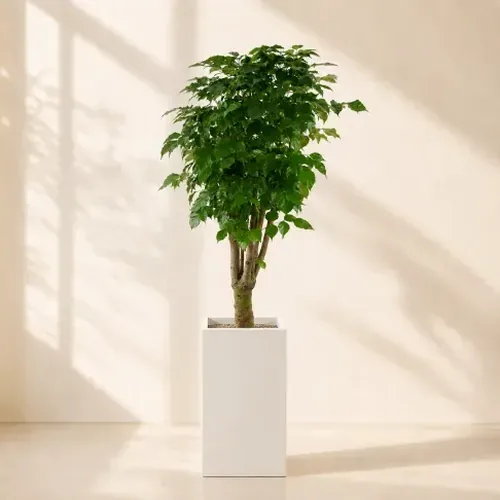
If you have chosen the plant but can't settle on what to write on the card, start with this: shorter is better. A housewarming card is read once, as the recipient carries the plant inside and finds a spot for it. Anything longer than two lines tends not to get read.
These are the messages people use most often: 새집에서 늘 평안하세요 (“Wishing you peace and comfort in your new home”), 초록처럼 오래 머무는 행복을 (“May happiness stay as long as the green”), and 좋은 기운이 가득하길 (“May your home be full of good energy”). Each can be read in one breath, and none sounds out of place whoever receives it. You can copy one as it is, or change only the ending to suit the person.
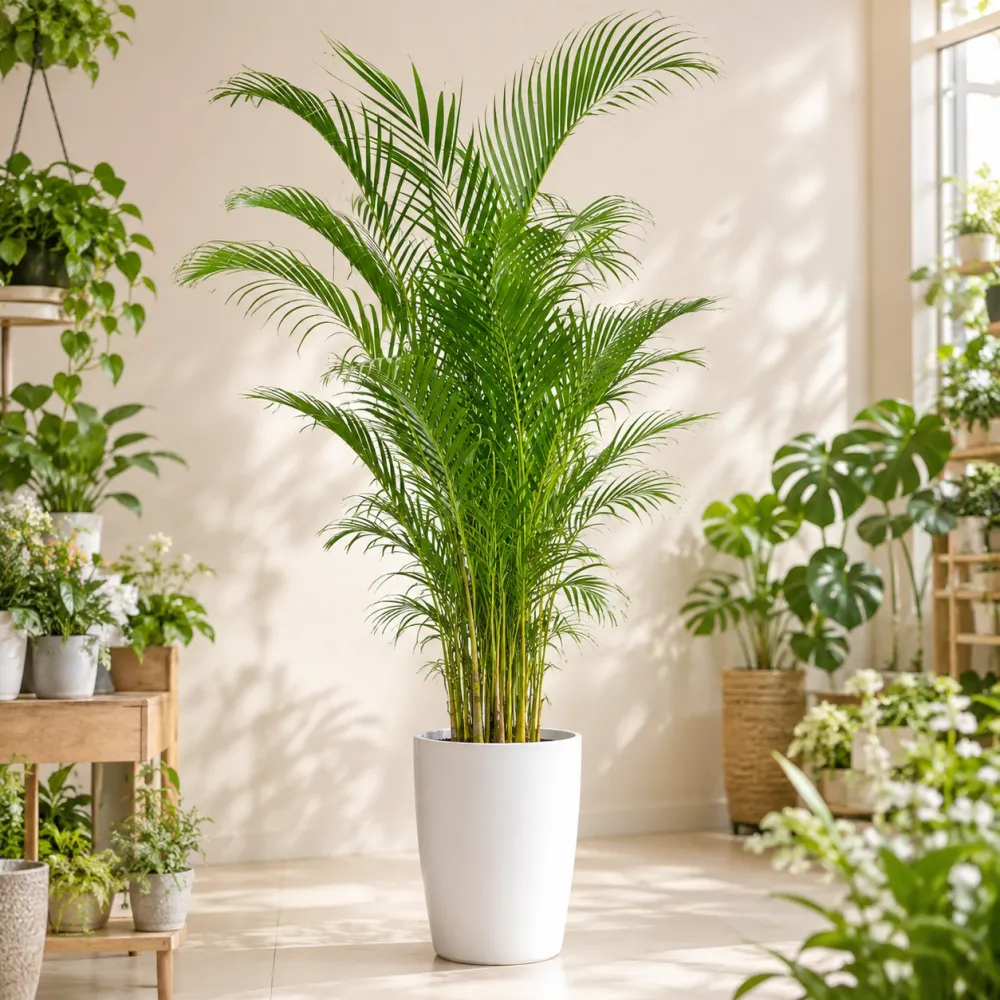
The core sentence stays the same; what changes is how you end it. For a friend, adding one short line is enough, as in “May your home be full of good energy — I'll come visit soon.” Writing the way you normally talk to them reads most naturally.
For a boss or a business contact, avoid endings in 반말 (banmal, the casual speech used between close friends) and close in 존댓말 (jondaenmal, polite speech), as in “Wishing you peace and comfort in your new home.” Openly mentioning wealth or promotion can come across as flippant.
For family, acknowledging the effort of the move matters more than formality. Something like “You worked so hard on the move — may happiness stay as long as the green” turns a formal good wish into a personal note.
Whoever it is for, always put your name on the last line. Gifts tend to arrive all at once around a housewarming, and a card without a name makes it easy to lose track of who sent what.
Matching the message to the impression the plant gives makes the card and the plant read as one gift. Even if the recipient doesn't know the plant's name, they can guess its meaning from the message.
| Plant | Common meaning | Suitable message |
|---|---|---|
| ZZ plant (금전수, “money plant”) | Wealth, prosperity | May your home be full of good energy |
| Olive tree | Peace, stability | Wishing you peace and comfort in your new home |
| Monstera / bird of paradise | Broad leaves, growth | May happiness stay as long as the green |
| Sansevieria stuckyi / snake plant | Sturdy and low-maintenance | A bit of green that stays with you, even on busy days |
There is no need to spell the meaning out at length. A single word shared between the plant's impression and the message is enough to connect them. If you don't know much about the plant, don't force a meaning onto it; just pick one of the three basic messages.
You can also add one line of watering advice under the message. Watering intervals vary with the season and the home, though, so it is better to keep it loose, such as “Water once when the topsoil is dry.”
In Korea, the ribbon (a long fabric banner printed with a message and the sender's name) became the standard way to show who sent a plant at occasions many people see, such as business openings, weddings and funerals. A home is a private space, so ribbon lettering hanging in the living room can look somewhat formal.
On a tabletop or medium-sized plant, a long ribbon can catch the eye before the plant does. A card sits tucked beside the pot, and once read it can be put away in a drawer. It is only a sheet of paper, but it is something the recipient keeps.
When sending a large plant in a company's name, a ribbon is fine. In that case, keep the ribbon to the company and name only, and put the personal greeting on the card so the two don't repeat each other.
If you are having it delivered, give the recipient's contact number as a Korean phone number so the driver can call on arrival. For same-day delivery, order before 5 p.m.; once delivery is complete, the photo of the actual arrangement we send lets you check that the card was placed properly.
If you would like to see plants that go with your message, browse the selection at Arrive in Bloom.
One or two lines is enough. Write a sentence that can be read in one breath, such as “Wishing you peace and comfort in your new home,” and add your name.
It is best to avoid sentences ending in casual speech (banmal) and anything that openly mentions wealth or promotion. A short good wish closed in polite speech is a safe choice.
No, you can. A home is a private space, though, so a card feels more natural. If the gift is from a company, put only the company and name on the ribbon and write the greeting on the card.
Arrive in Bloom delivers orders received by 5 p.m. on the same day. Orders placed after that are delivered the next day, from 10 a.m. onward.
Once you have your card message, pick a plant that suits it. We deliver anywhere in Korea and send you a photo of the actual plant once delivery is complete.
Published September 27, 2026 · by Arrive in Bloom · Flower Editor