FLOWER STORIESPlants & Orchids
Why Your Summer Watering Routine Doesn't Work in Autumn
Autumn houseplant care: water when the soil is ready, not when the calendar says so
Autumn houseplant care: water when the soil is ready, not when the calendar says so

If you watered every weekend all summer and now the base of your cylindrical snake plant is turning soft, or the leaf tips of your peace lily are going yellow, the problem is probably how often you water, not how much. The season has changed, but your watering schedule is still set for summer.
As temperatures drop and the days get shorter, less water evaporates from the soil and the leaves use less of it too. Soil that dried out in three days in summer often stays wet for more than a week in autumn.
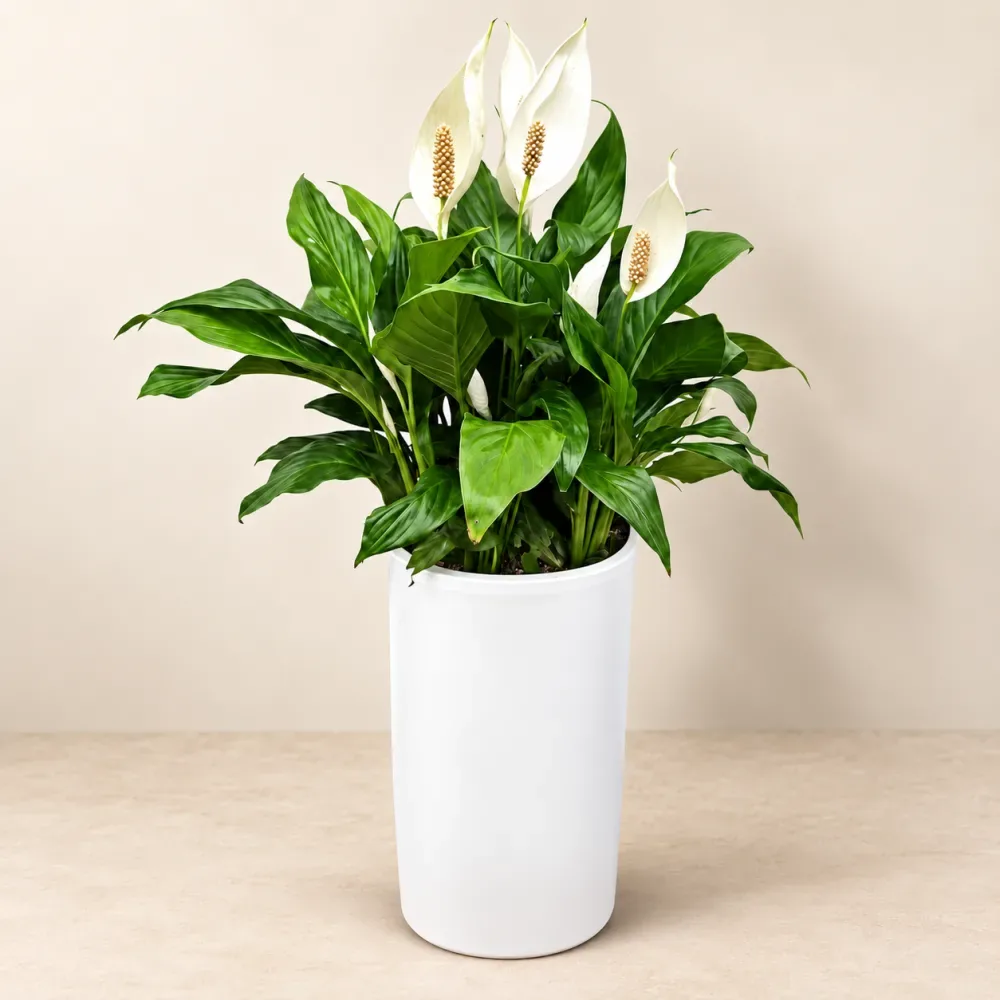
The trouble starts when you judge only by the top layer of soil. The surface can look dry while the bottom of the pot is still damp, which leaves the roots sitting in water with no room to breathe.
That is why it helps to check the soil instead of going by the date. Push a wooden chopstick deep into the soil and pull it out: if damp soil sticks to it, wait. It also helps to lift the pot right after watering and again once it has fully dried out, and remember how each one feels. After that, you can tell quickly by weight.
An autumn windowsill is warm during the day, but the glass cools quickly at night. Wet soil combined with cold air can weaken the roots, so it is safer to move plants about a hand's width away from the window at night.
Water in the morning rather than the evening. The soil gets a chance to dry at least a little during the day, and the plant spends less time in wet soil when the cold night air arrives.
As the light gets weaker, dust on the leaves becomes more of a burden. Wipe both sides of the leaves gently with a damp cloth, and open a window slightly to let air circulate. The soil dries more evenly and fewer pests appear.
The intervals below are rough ranges for plants kept indoors. Light and heating differ from home to home, so use the table as a starting point and base the final decision on the condition of the soil and leaves.
| Plant | Summer interval | Autumn interval | Check before watering |
|---|---|---|---|
| Cylindrical snake plant (stuckyi) | 2–3 weeks | 3–4 weeks or longer | Soil should be completely dry all the way through; a soft base is a sign of overwatering |
| ZZ plant | 2–3 weeks | 3–4 weeks | Stores water in its thick rhizomes, so water only after the soil has fully dried |
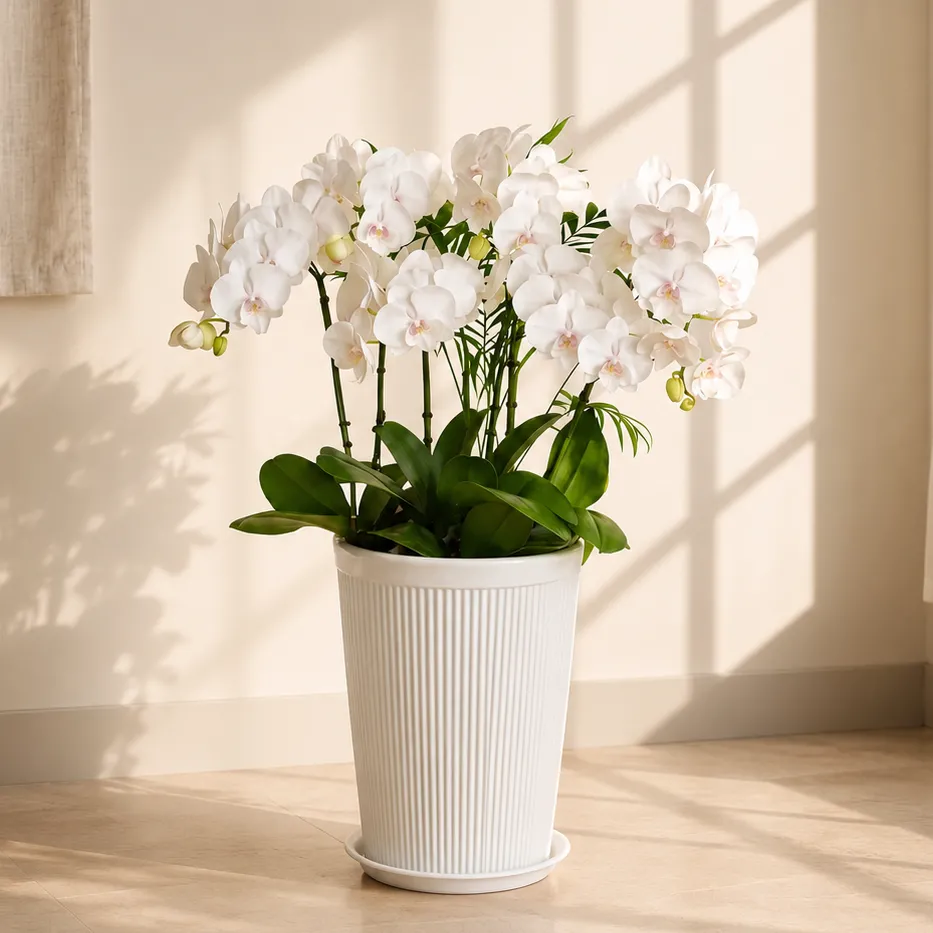
| Moth orchid (Phalaenopsis) | 7–10 days | 10–14 days | Bark should be dry and roots silvery; don't let water pool between the leaves |
| Peace lily | 5–7 days | 7–10 days | Water thoroughly once the top layer of soil is dry; drooping leaves mean it needs water |
Snake plants and ZZ plants store water in their own tissue, so watering a little late is the safer choice. Peace lilies are the opposite: when they are thirsty they let their leaves droop, and watering when you see that is not too late.
Moth orchids are often potted in bark rather than soil, so check the color of the roots. Silvery roots mean it is time to water. If they are still bright green, you can wait.
There is only one thing to do today. Cross the watering days off your calendar, and start by pushing a chopstick into the soil of each pot.
If you are looking for a potted plant or foliage plant to send as a gift, you can browse them on the Arrive in Bloom site.
Water less often. When you do water, give enough that it drains out of the bottom of the pot, then wait until the soil dries before watering again.
In autumn, the soil underneath is often still wet even when the surface is dry. To be safe, push a wooden chopstick deep into the soil and water only when it comes out without damp soil on it.
Morning. The soil has time to dry during the day, so it spends less time wet and cold overnight.
Water when the roots turn silvery and the bark is dry. Take care not to let water pool between the leaves.
You can browse easy-care potted plants and flower gifts at Arrive in Bloom. We deliver anywhere in Korea, and once your order has been delivered we send you an unedited photo of what arrived.
Published September 23, 2026 · by Arrive in Bloom · Flower Editor