FLOWER STORIESPlants & Orchids
The Silent Language of the Oriental Orchid
No raised voice, only a poised line of leaf. The Oriental orchid quietly lifts the standing of the one who receives it — a gift that speaks of grace through silence.
No raised voice, only a poised line of leaf. The Oriental orchid quietly lifts the standing of the one who receives it — a gift that speaks of grace through silence.
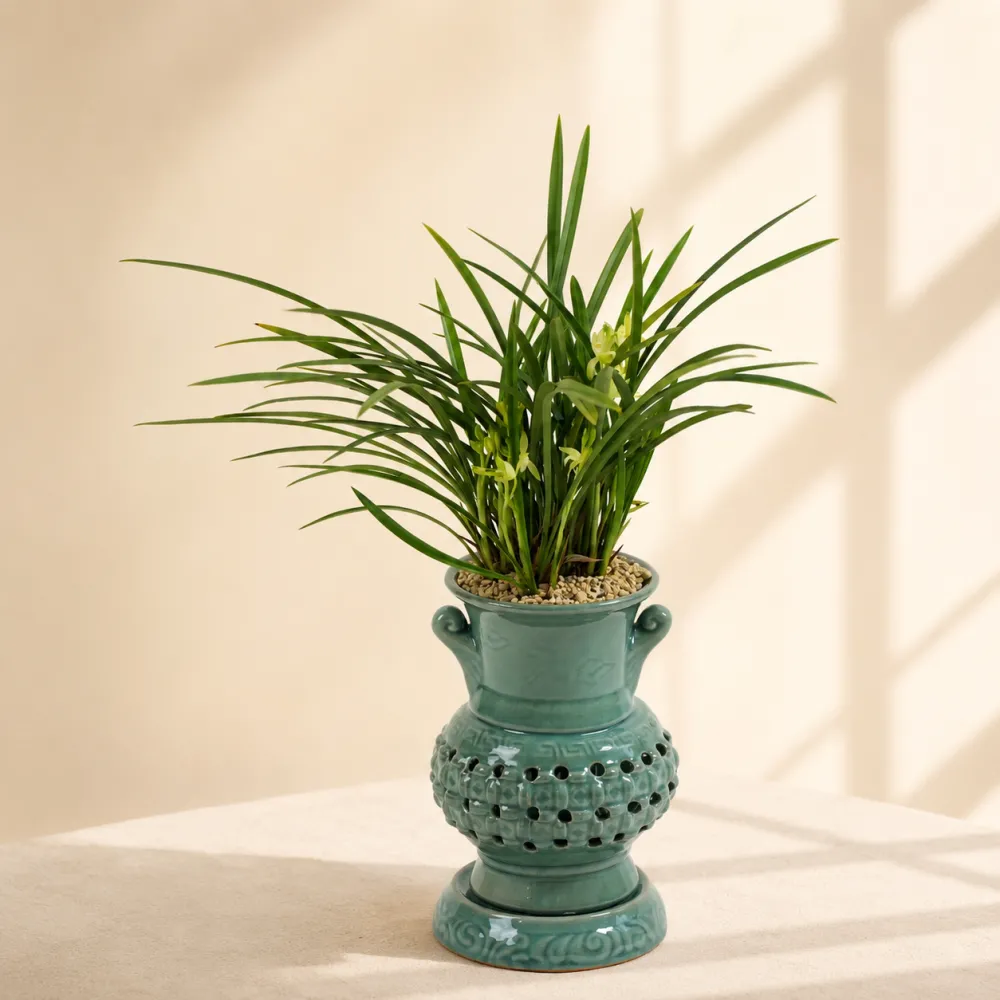
Most flowers speak through color. The red rose announces passion; the yellow freesia trumpets a flutter of joy. But some flowers are different. The Oriental orchid never raises its voice. The line of its leaf stops you first, and only long after does the scent come quietly trailing behind. It is within that silence that we find ourselves lingering all the longer.
And so the Oriental orchid is called the gift of those who keep their words few. In place of lavish flourishes, a single, poised plant quietly lifts the standing of the one who receives it. Whenever Arrive in Bloom recommends an Oriental orchid, what we have in mind is, in the end, a place in the heart deeper than any words can reach.
"Oriental orchid" is the name we give together to the orchids long cultivated across Korea and East Asia — the spring orchid, the cold-season orchid, the bose orchid. Where Western orchids catch the eye with large, showy blooms, the Oriental orchid reveals itself through the slender, curving line of its leaves and a quiet fragrance.
It is, in fact, a flower whose ordinary, bloomless self keeps you company far longer than the moment it flowers. Its leaves alone compose a tidy scene, so it fills a single spot with calm through every season. The scent does not assault the nose from afar; it slips gently only to the one who draws near. This restraint is the grace of the Oriental orchid.
The old scholars called the plum, the orchid, the chrysanthemum, and the bamboo the Four Gracious Plants. Among them, the orchid — releasing its fragrance alone in a deep ravine — became the emblem of nobility and unwavering integrity. For its bearing, never losing its scent even when no one is there to know it, was seen to resemble a heart that does not waver.
In the deep valley where no eye admires it, the orchid still does not withhold its fragrance.
Because of this symbolism, the Oriental orchid still takes its place at the most formal occasions of congratulation. For a promotion, an inauguration, an advancement, or the opening of a new business, the Oriental orchid is not the common choice but the fitting one. The wish to bless someone's new beginning with constancy and nobility folds itself perfectly into the meaning of the flower.
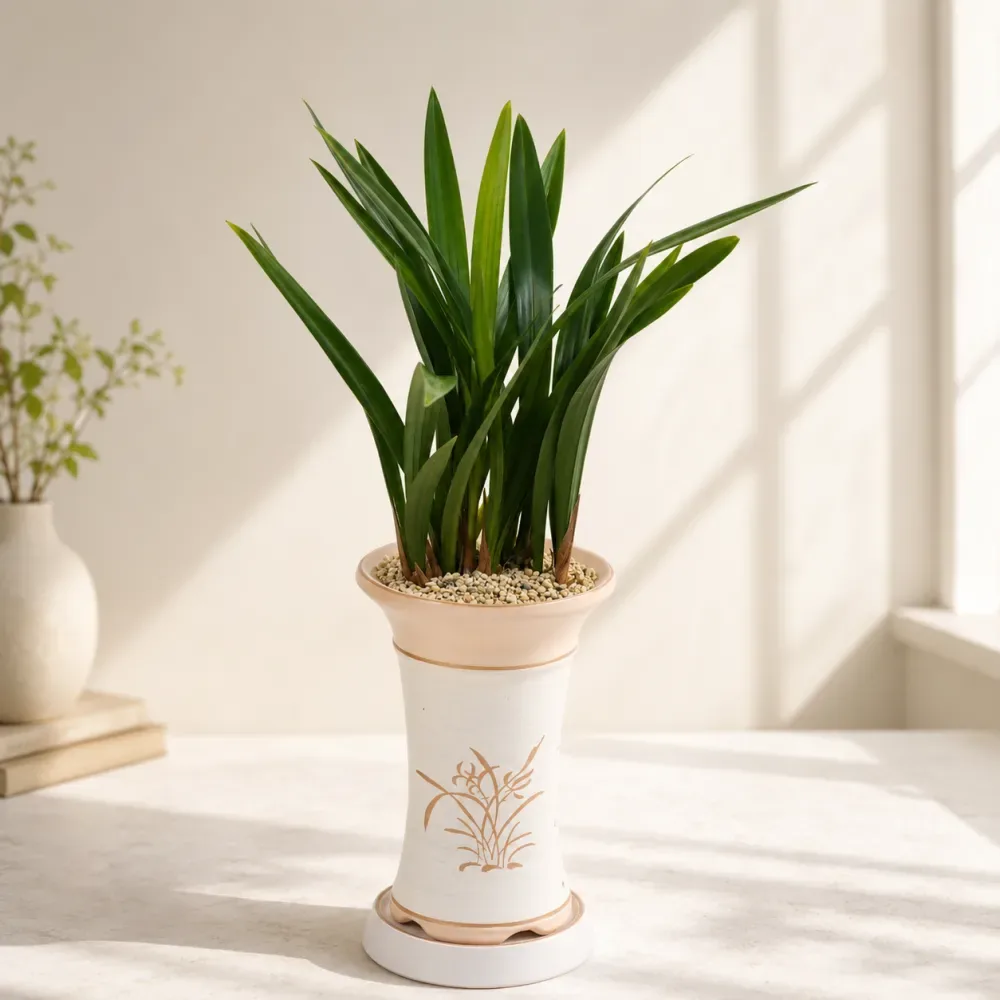
One more reason the Oriental orchid is precious is that, once settled in, it lasts. If a bouquet is a few days of beauty, the Oriental orchid is closer to a companion that stays beside you across the seasons. And caring for it is not as demanding as you might think.
Because it is a flower that asks little watering, it sits easily on a busy person's desk or in a corner of a shop without becoming a burden. Its flower stalk, too, holds its place comparatively long — and so, even after it is sent, the heart behind it lingers.
A good gift is longer in what follows than in the moment of receiving. The Oriental orchid is a flower made for exactly that span of time. Even after the noise of celebration has settled, a single leaf quietly governs the space and keeps the sender in memory.
A gift that spends fewer words and grows more heart. Wishing to convey that silent language in its most honest form, Arrive in Bloom shows the Oriental orchids we send as real, unretouched delivery photos. Choosing the orchid at the dawn auction that very day and dressing it fresh for same-day delivery comes from the same conviction: to promise not a staged image on a screen, but the true standing of a single plant that actually reaches your desk. You can browse more Oriental orchids and foliage plants slowly at flowername.co.kr.
The rule is to water generously when the potting medium has dried out — roughly once every one to two weeks, depending on your conditions. Above all, avoid overwatering. Because the Oriental orchid is more vulnerable to wetness than to dryness, make sure water does not pool in the saucer.
Bright shade, out of direct sun, is ideal. A spot a step back from a bright window, with the soft light filtered through a lace curtain, is perfect. Its leaves stay tidy all year, so it creates a calm scene wherever you place it — a living room, an office desk, or a corner of a shop.
Because the orchid of the Four Gracious Plants symbolizes constancy and nobility, it is a classic gift for promotions, inaugurations, and advancements, as well as for the opening of a new business. It is especially fitting when you wish to lend grace to someone's new beginning.
Once the bloom is spent, tidy away the withered stalk and continue as usual — keeping it in bright shade and watering when the medium dries. The Oriental orchid is poised on its leaves alone, so it remains a fine scene even while bloomless, and if you repot it with fresh orchid stone once every two to three years, you can look forward to flowers again the following year.
Oriental orchids and foliage plants are not a few days of beauty but a companion that crosses the seasons. If you wish to bless someone's new beginning with constancy and grace, orders placed before your region's cutoff arrive the same day, with nationwide same-day delivery. Every orchid we send can be confirmed in real, unretouched delivery photos. Browse slowly at flowername.co.kr.
Published June 14, 2026 · by Arrive in Bloom · Flower Editor